Call Today: (877) 966-7846 | (512) 439-1000
Texas Orthopedics, Sports & Rehabilitation Associates

Monday, March 23, 2015

Why Sitting is Bad for Your Health, and What You Can Do About It


Mounting evidence shows that even if you work out regularly, sitting can be bad for your health.

Here's what happens to your body internally when you sit for long periods of time:
  • Muscles and joints become stiff and tight
  • Blood flow to the heart shows decreasing circulation
  • Insulin production drops leading to lack of energy
  • Hunger cravings set in causing unnecessary and/or unhealthy snacking
Externally, you may notice the effects of too much sitting in someone's weak posture or rounded shoulders and slightly bowed head- mimicking their form at a desk. This hunched position can even distress the lungs, limiting their ability to properly expand and take in air when breathing.

Is there anything you can do to offset these long hours spent in a chair?

A recent Indiana University study compared people who sat for three hours straight with others who got up and walked around for five minutes each hour. The constant sitters' circulation fell by half, while the walkers' circulation did not drop at all.

The important takeaway is that even small bits of activity interspersed with sitting are highly beneficial. For every hour that you sit, aim to take a break for at least five minutes and do the following: 
  • Run an errand in your building or office
  • Climb up and down a flight of stairs 
  • Flex your calves
  • Do neck rolls and shoulder stretches
  • Challenge a colleague to have a "walking meeting"
Also, consider sitting on an exercise ball while at your desk or even raising your desk to standing level so that your legs have more room to move. 

This article was adapted from Men's Journal

Keep up with Texas Orthopedics news by following us on Facebook and Twitter (@TexasOrthopedic).

Wednesday, March 18, 2015

Join Our Free Seminar on Intuitive Eating


Do you ever eat out of pure boredom or because you're reacting to a situation? On Thursday, March 26, Texas Orthopedics will host a free talk about Intuitive Eating at our Northwest Austin location at 470 Seton Center Parkway, Suite 200 from 5:15-6:30pm. The talk will discuss the difference between physical and emotional feelings surrounding eating habits.

What is Intuitive Eating?

Eating healthy is a mantra that many of us try to live. Yet, often we claim there are obstacles in our way. Time, stress, convenience are just a few reasons.

The theory behind intuitive eating is to approach healthy eating with full consciousness of your mind and body. Becoming attuned to our body's natural hunger signals will help us make wiser food decisions.

Next Thursday, March 26th, nutrition counselor, Anne Wilfong, RDN, LD, will give a presentation on the 10 guiding principles behind intuitive eating. These include:

  1. Reject the Diet Mentality
  2. Honor Your Hunger
  3. Make Peace with Food
  4. Challenge the Food Police
  5. Respect Your Fullness
  6. Discover the Satisfaction Factor
  7. Honor Your Feelings Without Using Food
  8. Respect Your Body
  9. Exercise
  10. Honor Your Health
Register today! For additional details call 512-439-1100.

Keep up with Texas Orthopedics news by following us on Facebook and Twitter (@TexasOrthopedic).

Monday, March 16, 2015

Two Rules To Protect Your Little Leagurers Pitching Arm


Springtime is here, which also kicks off the start of American's favorite pastime, baseball season. Everyone from pro organizations to the pint-sized Little Leagues are winding up their pitchers and sending them to the mound.

Pitchers are known to suffer from overuse injuries to their elbows and shoulders. The constant repetitive motion of throwing over and over can wear down these joints and cause painful inflammation.

Little League baseball is protecting young pitchers from injury by strictly enforcing pitch count rules. First adopted in 2007, additional rules were added in 2010 and 2014 to reinforce best practice. The guidance defines the number of pitches a young player should throw in a game and how much rest he must take between pitching appearances.

The pitch count rules are proving successful so far. A 2011 study commissioned by Little League showed a reduction in risk of shoulder injuries by 50 percent in players ages 8 to 13.

2 Rules to Prevent Injury

#1 Keep Track of Pitches: Designating an official scorekeeper to track pitch counts. That person is also responsible for notifying the umpire-in-chief when a player has reached his pitch limit and/or provide current pitch counts for any player upon request. Youngest players (7-8 years) are allowed up to 50 pitches per day, while the older ones (17-18 years) can pitch up to 105 per day.

#2 Rest!: Mandatory rest periods foster proper muscle and joint recovery between pitching. The days of rest are dictated by the player's age and the number of pitches per day (within the pitch count guidelines). A player fulfill the 'days off' before being eligible to pitch again.

The recent 2014 amendment addressed Regulation VI Note 3, stating that in the event the first inning was not completed, all records even pitching records, are to be disregarded.

Complete pitch count rules available at the Umpire Resource Center: 2014 Little League Rule Changes.
Keep up with Texas Orthopedics news by following us on Facebook and Twitter (@TexasOrthopedic).

Wednesday, March 11, 2015

Rodeo and Sports Medicine


Rodeo Austin kicks off soon, March 14-28, at the Travis County Expo Center. While many fans enjoy the food, entertainment, rides, and award-winning livestock - the main attraction is undoubtedly the rough stock events - barebacks, bronco, and bull riding. 

Like football, basketball, or hockey, rodeo riding is a tough sport requiring a great deal of skill and athleticism. Professional rodeo riders, or cowboys, must train like any other athlete. These men and women need strong core muscles as well as superior upper body strength to balance atop a large and aggressive animal, or strategically rope something (such as a calf) moving swiftly alongside them. Strong hips and knee joints are also necessary to help hang on tight!

Simple exercises such as arm and shoulder, or hip and leg extensions with a resistance band, as well as squats to strengthen thigh and leg muscles, might be typical of a rider's workout.Stretching to loosen the neck and spine before and after an event is also important. 

As with all sports, injuries occur even with the most experienced professionals. Fractures, dislocations, sprains/strains, ligament tears, and skin abrasions are common.

A more severe injury might be a spinal cord injury or concussion. According to historical data from the NCBI (National Center for Biotechnology Information), head and neck trauma typcially accounts for 10-29% of reported rodeo injuries, with concussion incidence rates of 3.4 per 1000 competitive exposures.

Professional associations for rodeo cowboys now encourage riders to consistently sport proper headgear and other protective equipment (helmets, braces, cervical collars, mouthpieces, and special vests) while urging sufficient recovery time following serious injuries like concussions - such as practiced in the NFL and NHL.

Many rodeos these days are equipped with onside medical care for riders needing urgent attention. These custom-made mobile facilities house first-aid supplies, and often x-ray and ultrasound machines to quickly diagnose treatment. 


Monday, March 9, 2015

Cheers For Area Athletic Trainers


Athletic trainers are sometimes referred to as the "unsung heroes" in sports. They work as hard as any athlete or coach, attend every practice and game, and almost never get any recognition or applause following a big win.

As March is National Athletic Training Month, Texas Orthopedics salutes the staff and student trainers at all the Austin-area schools.

Texas Orthopedics supports and works closely with many of the area high schools including: Austin High School, Bowie High School, St. Andrews Episcopal School, Westwood High School, McNeil High School, Cedar Park High School, and Vandegrift High School.

The official role of an athletic trainer is to assist the medical professionals who specialize in the prevention of emergency care, diagnosis, treatment, and rehabilitation of sports-related injuries.

Unofficially, their jobs may involve assisting players by taping or bandaging minor bumps and bruises, administering heat or ice therapy, or helping to stretch before and after a game. Trainers are often in the locker room or on the field long before and after a game. They shed their own blood, sweat, and tears right alongside the athletes they care for. 

Certified athletic trainers have earned degrees from accredited athletic training curriculum. Essential subject areas include injury/illness prevention, first aid and emergency care, assessment of injury/illness, human anatomy and physiology, therapeutic modalities, and nutrition. According to the National Athletic Trainers' Association, more than 70 percent of certified athletic trainers hold at least a master's degree.

Many specialists at Texas Orthopedics have personal experience both playing and coaching a variety of sports, and we are thrilled to honor the trainers dedicated to our local student athletes.

Keep up with Texas Orthopedics news by following us on Facebook and Twitter (@TexasOrthopedic).

Friday, March 6, 2015

Dr. Schultz on KVUE: Hip Procedure Enables Patient to Climb Mt. Kilimanjaro


The hip resurfacing procedure at Texas Orthopedics has not only enabled local pastor and Cedar Park resident John Short to resume his active lifestyle, it has improved his mobility so much, he set his sights on climbing Mt. Kilimanjaro, the highest free-standing mountain in the world, in an effort to help stop human trafficking.

John Short and Dr. Randall Schultz were recently interviewed by KVUE news about the innovative procedure and the impact it's had on his life.

"Resurfacing means we are literally just putting a new surface on top of the ball which has lost its cartilage coating," Dr. Schultz explained to KVUE.

Short completed the climb to help raise funds and awareness about human trafficking.

"It's representative of a woman, a girl or young lady to actually climb out of her situation," said Short.

For more information about Operation Freedom Climb, click here.

To view the entire KVUE story, click here.

Keep up with Texas Orthopedics news by following Facebook and Twitter (@TexasOrthopedic).

Monday, March 2, 2015

Salt and Soft Drinks... And Other Foods that Make Bones Brittle


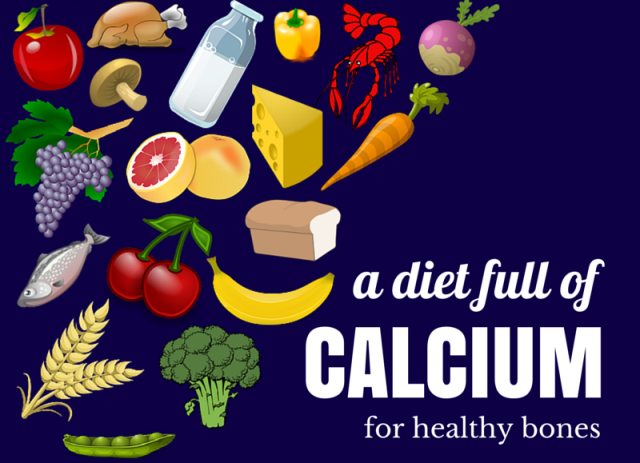
Food rich in calcium and vitamin D are necessary for bone strength and helpful in warding off painful conditions such as osteoporosis. Examples of these key foods include milk, yogurt, canned fish, and dark leafy greens. On the flip side, there are specific foods that can rob your body of calcium and diminish healthy bone density.

Here's what to look out for in your diet to best benefit your bones (via WebMD):

  1. Excess salt can lead to calcium loss and weaken bones. It pops up most commonly in processed and fast foods, but is also found in breads, cereals, and canned and frozen goods. Check labels and recipes for sodium content, and use it sparingly.
  2. Soft drinks, and other carbonated beverages, contain phosphoric acid which draws calcium from bones and increases its excretion in urine. Beverage options that are better choices include calcium and vitamin D-fortified juices, plain or chocolate milk, or flavored waters.
  3. While caffeine is widely believed to have some health benefits, it is also proven to deplete calcium from bones. Although tea has caffeine, it is considered less harmful than coffee, and contains plant compounds that may even protect bones. If trying to curb your caffeine intake, start by mixing half regular with half-decaf drinks, and adjust gradually.
  4. Soy products, such as edamame, tofu and tempeh, contain plant compounds that may inhibit calcium absorption. Practice moderation when consuming soy protein, and balance it out iwth a calcium supplement. 
Avoiding these foods, and adopting a diet full of calcium-rich dairy, whole grains, fruits, vegetables, and lean proteins, is the best way to strengthen bone density and boost bone health. And check with your doctor about taking a daily supplement. 

Keep up with Texas Orthopedics news by following us on Facebook and Twitter (@TexasOrthopedic).