Call Today: (877) 966-7846 | (512) 439-1000
Texas Orthopedics, Sports & Rehabilitation Associates
Showing posts with label texas orthopedics. Show all posts

Monday, September 8, 2014

Celebrating World Physical Therapy Day Today!


World Physical Therapy Day is today and is all about recognizing the great contributions that physical therapists make to keep people well, mobile and independent. We have a great team of physical therapists, occupational therapists, and hand therapists that do a fantastic job (check out their profiles here). 

They perform comprehensive evaluations and develop specific treatment plans so that each patient can resume their favorite activities as quickly, safely, and independently as possible. By doing physical therapist you will learn exercises that are beneficial for gaining function, reducing stress, relieving discomfort, and preventing disability for future injury. 

Just some of the conditions we treat include, 
And we offer a wide variety of physical therapy services to treat these conditions including, 
You can find a complete list of conditions and services here. And keep up with Texas Orthopedics news by following us on Facebook and Twitter (@TexasOrthopedic). 

Tuesday, July 29, 2014

How Old is Too Old for Hip, Knee Surgery?

 
Does age matter when it comes to hip and knee surgeries? 

According to a study published by the Journal of Bone and Joint Surgery (JBJS) and reported by the American Academy of Orthopaedic Surgeons, patients 80 years and older who need a total hip or knee replacement may have comparable results to younger patients. The outcomes were the best among patients with few or no comorbidities (chronic conditions).

The most recent U.S. Census data reported Americans who are at least 85 years old are the fastest-growing population. With such an increase, physicians are also reporting a surge of hip and knee replacements surgeries among this group.
 
"Based on the results of this study, I think very elderly patients, particularly those with few or no comorbidities, should strongly consider the benefits of these procedures," said lead study author Hiroyuki Yoshihara, MD, PhD, an orthopaedic surgeon at State University of New York (SUNY) Downstate Medical Center and Nassau University Medical Center.

Click here to read more about the study.

No matter what age, all patients should undergo a pre-surgery evaluation to be sure they are good candidates for the procedure. And the healthier a patient is before surgery, the more likely he or she will have better outcomes and/or recover quicker. 

To learn more about Texas Orthopedics' pre-surgery process, visit us at txortho.com or call us at (877) 966-7846.

Wednesday, July 9, 2014

Texas Orthopedics Physicians Get Big Kudos in Texas Monthly


A big kudos is in order for five Texas Orthopedics physicians who have been named to Super Doctor
2014 Rising Stars List in the July issue of Texas Monthly Magazine. Congratulations to:

Dr. Michael Loeb

Dr. Christopher Danney

Dr. Brian Hardy

Dr. Kenneth Bunch

Dr. Ai Mukai

The selection process entails identifying physicians who have attained a high degree of peer recognition and professional achievement. Super Doctors is a selective and diverse listing of outstanding doctors, representing consumer-oriented medical specialties.


To be eligible for inclusion in Rising Stars, candidates must be active physicians who have been fully-licensed to practice for approximately 10 years or less.

While approximately 5 percent of the physicians within the respective state or region are named to Super Doctors, no more than 2.5 percent are named to the Rising Stars list. You can find that list at superdoctors.com.

Keep up with Texas Orthopedics news by following us on Facebook and Twitter (@Texas Orthopedic).

Thursday, June 5, 2014

It’s National Hand Therapy Week at Texas Orthopedics

The American Society of Hand Therapists (ASHT) recognizes June 2-June 8 as National Hand Therapy Week.  Hand Therapy Week raises awareness about the hand therapy specialty, demonstrating the advantages of prevention and treatment procedures for patients who have been affected by an accident or trauma, and educating the public.

Hand therapists provide important services after medical treatment allowing patients to function normally in their daily lives.  Texas Orthopedics is proud to have three certified hand therapists that work closely with our patients suffering from various conditions like arthritis and carpel tunnel syndrome.


From biking to gardening to safe turkey carving tips, ASHT offers these important safety and prevention advice when it comes to protecting your hands from serious injuries.

Keep up with Texas Orthopedics news! Follow us on Facebook and Twitter (@TexasOrthopedic)

Wednesday, May 21, 2014

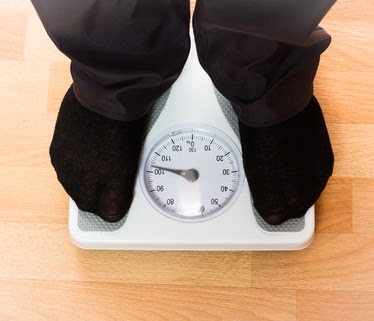
Why the Risks of Being Overweight are NOT a Cosmetic Issue


Weight shouldn't only be thought of as a cosmetic issue - there are huge health ramifications.

When people are carrying additional weight, it can contribute to osteoarthritis, also known as degenerative joint disease. Your joints are the points in your body where the bones join together, which allows you to move, bend, turn, etc. The more you weigh, the more stress is placed on the weight bearing joints like ankles, knees, hips and spine. This puts you at greater risk for developing osteoarthritis.

Another common problem associated with being overweight is sleep apnea - a dangerous condition where while sleeping people stop breathing or only take shallow breaths. This affects overweight people because they may have more fat stored around their neck, which narrows the airway.

Being overweight can also cause type 2 diabetes. Normally, the body breaks down food into glucose and then carries it to cells throughout the body. The cells use a hormone called insulin to turn the glucose into energy. With type 2 diabetes, the body can't produce enough insulin or use it properly, so the glucose cannot get into the body's cells and builds up in the blood. Type 2 diabetes is dangerous because it can lead to a stroke, kidney disease, foot problems and early death.

Continue the Conversation with Your Doctor

If these health issues sound scary, it's because they are and these are just a few of the possible health problems associated with being overweight. The best thing you can do is to take this knowledge and continue the conversation with your doctor.

Keep up with Texas Orthopedics news by following us on Facebook and Twitter (@TexasOrthopedic).

Monday, May 19, 2014

3 Easy Exercises for Preventing Sports Injuries


1. Shoulder Strengthening Exercises for the Rotator Cuff

A rotator cuff injury is common for people playing tennis and baseball. The forces generated through overhand motions, like pitches and serves, cause the rotator cuff to act like brakes. Unfortunately, the rotator cuff is notoriously weak and can't handle the stress. That's why it's important to do exercises to ensure that you can keep up that serve.

Stand while holding 5-pound weights with your arms at your sides. Raise your arms in front of you to shoulder level, hold for a few seconds, the lower and repeat, this time out to the sides. Do three sets of 10 to 15 reps three times a week, and it should help.

2. Loosen Calf Muscles and Achilles Tendons for Shin Pain

Shin pain (also called shin splints) can happen to people who are starting walking or running routines. It occurs when there are small tears in the muscles around your shin bones. There are many causes including shoes with too high a heel or inflexible sole; weak or tight calves; striding out too far in front of your body; or increasing speed or distance too rapidly. Keeping your calves and shins strong will help you start out on the right foot.

Begin standing in front of a wall, with one leg forward, knee bent; the other back, with foot flat on the floor. Push against the wall with your hands. Hold the stretch for 15 to 30 seconds. Repeat two to four times on each side.

3. Stretch and Build Your Core Muscles for Lower Back Pain

Lower back pain is a frequent complaint among all levels of golfers. A couple of reasons for the pain can be either swinging the golf club in an unusual or awkward manner, or a lack of mobility in the hips and mid-back. Exercise your back so that you can get that hole-in-one next time your on the golf course!

Stretch your lower back several times a day by bending forward and letting your arms and head dangle toward your toes for 15 seconds. Also strengthen your core by getting into the "plank" pose (think of the position you're in the top of a pushup) and holding for 30 seconds. Or do 20 abdominal crunches to build the muscles that support your back.

Keep up with Texas Orthopedics new by following us on Facebook and Twitter (@TexasOrthopedic).

Tuesday, May 13, 2014

How Does Warmer Weather Affect Your Workout?


The winter coats are back in the closet, the sun is shining, and all the festivals are starting up. It's a great time to be outside! But how does this warmer weather affect your workout? Is it really the best time to head to yoga in the park or take a walk around Lady Bird Lake? The answer isn't as simple as you might think.

Colder weather is actually better for athletic performance. Without the heat, you can exercise harder, without the risk of heat exhaustion. And because your body doesn't sweat as much, you're less likely to be dehydrated. Of course once it gets too cold, no one wants to be outside.

The Not So Surprising Warm Weather Benefits

But there are benefits of warmer weather and exercise. You might not necessarily improve your workout, but you're more likely to go outside and actually work out! There's a real psychological connection between warmer weather, wanting to be outside, and having the motivation to exercise.

There are other benefits to warmer weather. During the spring, when temperatures are in the 70s, it takes less time for your muscles to warm up. Also, because the sun's ultraviolet light is stronger in the warmer moths, you can increase your vitamin D levels. This is important because without the right amount of vitamin D, bones can become think, brittle, or misshapen. But don't forget your sunscreen - it doesn't take long to get sunburned in our hot, Texas heat.


Keep up with Texas Orthopedics news by following us on Facebook and Twitter (@TexasOrthopedic).

Wednesday, April 30, 2014

Compound in Green Tomatoes Linked to Muscle Growth


Many people that suffer from orthopedic injuries are also at risk for muscle atrophy, a serious condition where the muscles are “wasting”. Striking over 50 million Americans annually, muscle atrophy impairs physical activity, predisposes people to falls and fractures, and often forces people into nursing homes or rehabilitation facilities. Exercise is helpful, but for people that are ill or injured, there currently isn’t an effective way to prevent or treat it.

A team of scientists from the University of Iowa published a new study in the Journal of Biological Chemistry that links tomatidine, a compound from green tomatoes, to bigger, stronger muscles, in addition to preventing and treating muscle atrophy.

To begin their research, the team searched for a small molecule compound that might be used to treat muscle atrophy. They focused on tomatidine because it generates changes in gene expression that are essentially opposite to the changes that occur in muscle cells when people are affected by muscle atrophy. Next, they tested its effects on skeletal muscle and discovered that tomatidine stimulates growth of cultured muscle cells from humans. Then they added tomatidine to the diet of mice and found that healthy mice supplemented with tomatidine grew bigger muscles, became stronger and could exercise longer. And, most importantly, they found that tomatidine prevented and treated muscle atrophy.

Scientists are unsure how many green tomatoes a person would need to eat to get a dose of tomatidine similar to what they gave the mice, or if the same dosage would be healthy for humans. More research is needed to answer these questions and to discover if tomatidine can be incorporated into science-based supplements or everyday food to make them healthier.

Keep up with Texas Orthopedics news! Follow us on Facebook and Twitter (@TexasOrthopedic).
Monday, April 28, 2014

Baseball Injuries


While America’s favorite pastime is exciting to play, it can also cause some serious injuries.

According to the US Consumer Products Safety Commission, more than 627,000 baseball-related injuries are treated every year in hospitals, doctors' offices, and other medical facilities.

The frequent throwing, bat-swinging, and catching high-speed balls involved in baseball can lead to a large variety of sports injuries, both cumulative (from overuse) and acute (from a sudden impact).

With baseball season in full swing, we’ve seen and treated quite a few shoulder, elbow, hand and wrist injuries.
Youth baseball pitching injuries, specifically, are on the rise, despite the implementation of nationally recommended pitching limits, according to a multicenter, national research study.
The American Orthopedic Society for Sports medicine sponsored the study and found the most prevalent reasons for arm pain and tiredness stems from five main causes:

1.      Pitching for more than one team during the same season

2.      Pitching more than one game during the same day

3.      Pitching on back-to-back days

4.      Pitching in a league without pitch counts or playing year-round

5.      Throwing curve balls before high school
Specific injuries include:
SHOULDER:
·         Bursitis
·         Impingement syndrome (inflammation of the tendons of the rotator cuff)
·         Rotator cuff tendonitis
·         Shoulder instability (a loosening of the structures that keep the ball of the shoulder in the socket)
·         Shoulder separation
·         Tendonitis
·         Torn rotator cuff
 
ELBOW:
·         "Little leaguer's elbow" (inflammation on the inner side of the elbow, common in pitchers age 16 and under; also called golfer's elbow or medial epicondylitis)
·         Tennis elbow (inflammation on the outside of the elbow, also called lateral epicondylitis)
·         Medial elbow ligament tears ("Tommy John" surgery)
 
HAND OR WRIST:
·         Finger fractures
·         Bursitis
·         Wrist sprains
·         Wrist tendonitis
·         Tenosynovitis (inflammation tendons on the thumb side of the wrist)
 
Texas Orthopedics wants everyone to enjoy baseball season, so listen to your body to avoid overuse injuries. .
Keep up with Texas Orthopedics news by following us on Facebook and Twitter (@TexasOrthopedic).


Wednesday, April 23, 2014

Thinking Like an Athlete Will Boost Your Workout

 
Aim high and think big. Whether it’s the Super Bowl, the Olympics or the World Series, the top athletes aim high. You can adopt some of the philosophies below and apply it to your every day workouts.
Focus on the day-to-day.
Of course, you aren’t going to hit your dream goal right away. And athletes know this too. The UConn Huskies didn’t automatically win the NCAA Championship in the first round; they had to battle through 7 rounds before they were the winners. And each round’s win built upon itself and gave the team momentum. When you’re trying to reach the dream goal, think the same way. Each trip you make to the gym is another win, but it doesn’t stop there. It’s just another victory to build your momentum.
Be an athlete all the time.
Everything you do and every choice you make affects the end goal. Just because the game is over doesn’t mean athletes like Maria Charapova stops being an athlete; it just means that particular game is over and it’s time to think about the next one. That can mean making the hard choice between staying in bed or getting up early for that boot camp class. If you’re thinking like an athlete all the time, it means you’re getting up for that class.
Use your imagination.
Athletes visualize spiking that winning ball or catching that winning touchdown, and those fantasies affect their reality. It’s all about overcoming obstacles and gaining control, so when you are faced with tough challenges, you know you can beat them.  Imagine what you want to see happen during your next workout to help set yourself up for success.
Talk to yourself.
Athletes don’t just think they’re winners, they tell themselves they’re winners. During a tough workout, athletes that use this positive reinforcement perform better and longer. Next time you are feeling tired and don’t think you can finish that run, tell yourself that you can and keep at it until you do.
Keep up with Texas Orthopedics news! Follow us on Facebook and Twitter (@TexasOrthopedic).

Monday, April 21, 2014

7 Health Benefits You Get from Regular Exercise

It’s not all about how you look in a bikini. Fitness and exercise should be more about your health. Here are some great, medical benefits you’ll get just from being active!
1. Get better sleep. Want better Z’s? The key is being more active during the day, which can simply translate to standing up more often at work or taking daily, 15 minute walks. The more active you can be, the better you’ll sleep!
2. Strengthen your bones. Bones can be strengthened with regular, weight-bearing activity which can help reduce some of the natural decline in bone health as we get older. If you are already doing a low-impact activity, switch up your routine and try using some free weights.
3. Lower blood pressure. Exercise helps your heart become more efficient at pumping blood, which leads to lower blood pressure. Moderate physical activity like jogging, biking or swimming will work wonders and give you a great reason to enjoy these beautiful sunny days!
4. Relieve Stress. Studies indicate that a regular fitness routine reduces fatigue, improves alertness and elevates mood. So the next time you are feeling stressed, take a quick walk.
5. Reduce the risk of stroke. Researchers have linked inactivity with an increased risk of stroke. Cut your risk by working out at least 5 days a week.
6. Boost Your Immune System. Taking a daily walk or following a simple exercise routine a few times a week may help you feel better. Exercise not only helps your immune system fight off simple bacterial and viral infections, it decreases your chances of developing heart disease, osteoporosis, and cancer.
7. Keep Your Brain Alert. With a regular fitness routine, you can reduce the cognitive decline that is associated with aging. Additionally, getting your kids to exercise will help with their learning and memory.
Whether you are a workout pro or just getting started, remember to be safe with your fitness routine and make sure that you find something you like to do - your body will thank you!
Keep up with Texas Orthopedics news! Follow us on Facebook and Twitter (@TexasOrthopedic).
 

Wednesday, April 16, 2014

A FAST Procedure to Treat Tennis Elbow

 
The fancy name for tennis elbow is Lateral Epicondylitis and it refers to a condition that that results in the deterioration of tendon fibers (tendonitis) that attach to the bone on the outside of the elbow. Tennis elbow strikes people that engage in activities that require repeated use of the forearm muscles: tennis, golf, racquet ball, or bowling. It can also affect painters, plumbers, auto workers and cooks because they also tend to overuse the forearm muscle. .
The FAST (focused aspiration of soft tissue) procedure, done under local anesthesia with ultrasound guidance, offers a minimally invasive approach to treating tennis elbow. Anyone who experiences tendinitis for more than three months is a good candidate for the treatment. Additionally, , anyone who has failed more conservative treatments like physical therapy or cortisone injections should consider the procedure.
At Texas Orthopedics, Dr. Michael Loeb has seen a lot of success with the FAST procedure.  And because it’s a quick procedure, requiring only about 15 minutes, it’s done while the patient is completely awake. Best of all…recovery is fast and easy. Most patients can return to work the next day.
 
To find out if you’re a candidate for the FAST procedure call Texas Orthopedics at (512) 439-1001 or request an appointment online.
 
Keep up with Texas Orthopedics news! Follow us on Facebook and Twitter (@TexasOrthopedic).

Monday, April 14, 2014

Study Finds Milk Might Slow Knee Osteoarthritis Progression in Women


“Got Milk?” A recent study conducted by researchers from Harvard Medical School and published in the peer-reviewed medical journal, Arthritis Care and Research, focused on the link between osteoarthritis and milk consumption. Osteoarthritis is a joint condition where the connective tissue between bones wastes away over time, causing the bones to rub together. It’s painful and most often affects the joints in the hands, knees, spine and hips.

Researchers wanted to know if milk helps stop existing osteoarthritis from getting any worse, so they focused on one aspect of osteoarthritis: the gap in the knee joint that can be seen on an X-ray, which is an established clinical measure of the progression of the condition. 
The study found that in women who regularly drink milk, the joint gap did not reduce as much after four years than women who drank less or no milk (meaning the milk drinkers’ osteoarthritis was deteriorating at a slower rate). However, in men there was no significant association between drinking milk and the gap in the knee joint.

While the study was limited to this one measurement and did not address whether or not the reduction in joint gap led to any reduction in discomfort and pain for people with osteoarthritis, it does start an important discussion in the medical community. And it also reminds us that getting the right amount of calcium in our diets is extremely important for strengthening bones.

Want to know other foods besides milk that can help strengthen your bones? Check out our blog on 5 Foods to Improve Your Bone Health.

And Keep up with Texas Orthopedics news! Follow us on Facebook and Twitter (@TexasOrthopedic)


Friday, April 11, 2014

Achilles Tears: It’s Not Just Superstar Athletes That Suffer These Injuries


Tiger Woods, Kobe Bryant and most recently Christian Benteke; what do they all have in common? They’ve all suffered Achilles tendon tears – serious injuries that have sidelined them for their respective sports. Your Achilles tendon is one of the longer tendons in your body, stretching from the bones of your heel to your calf muscles. You can feel it-- a springy band of tissue at the back of your ankle and above your heel. It allows you to extend your foot and point your toes to the floor.

Achilles tendon tears can strike all kinds of athletes or even the average person not playing a sport. A tear can happen when you’re walking down the street and suddenly you trip in a hole; however, in most cases, Achilles tendon tears occur while engaging in sports and activities that require you to sprint and jump or make sudden movements such as those in basketball, tennis, running, volleyball and soccer.
Tips to Prevent Achilles tendon injuries:
·         If you are planning to intensify your exercise routine, do it gradually over time instead of all at once.

·         Before working out or playing any sports, make sure you loosen and stretch your muscles.

·         Try to alternate between high-impact and low-impact training and workout activities.

·         Drink water to ensure that your muscles are properly hydrated.

·         Make sure that the shoes you’re wearing are the right size and provide the right support for the activity you’re engaging in.

·         If you are feeling any pain, stop exercising.
Playing high-intensity sports is exciting and fun, but remember to take careful precautions to protect your Achilles tendon. Injuries can be extremely painful and often require a long recovery, which means being out of the game for a while! And that’s the last thing any of us want.

Keep up with Texas Orthopedics news! Follow us on Facebook and Twitter (@TexasOrthopedic)

Monday, April 7, 2014

Tips for Keeping up Your Garden with Your Back and Knees in Tact


Spring has sprung so the time has come to break out the rake, put on some gloves and start the mower so that you can get your yard looking green again. But before you get started, we want to provide you some tips to help you avoid painful injuries while gardening and doing yard work. 
You might not realize it, but gardening and yard work can be quite a workout. You’re using a lot of upper body strength raking leaves; you’re squatting to pull weeds; you’re bending over to lift heavy objects; and the list goes on.

Minimize Risk of Injury:
The best way to make sure you can get your work done while enjoying yourself is to minimize your risk of injury. For example, try not to squat with your heels raised. Keep your feet flat on the ground. Or better yet, keep a stool handy and try to sit while doing things like pruning.
Another way to reduce injury is to maintain correct posture. Posture isn’t just about sitting. It’s also important during activity. Don’t bend at the waist to dig or rake; bend from the knees. This also applies to lifting heavy objects. Also, try to use a wheelbarrow or other tools whenever possible to keep the weight off your back.

Use these tips while working in the yard. Your back, knees and hopefully yard will thank you!
Keep up with Texas Orthopedics news! Follow us on Facebook and Twitter (@TexasOrthopedic)

Friday, April 4, 2014

Study Finds Extreme Sports Pose High Risk for Head and Neck Injury


With the excitement surrounding the X Games coming to Austin in June, some people may forget that the X stands for ‘Extreme’. And just like their name, extreme sports pose extreme injury risks.

A new, one-of-a-kind study presented at the 2014 Annual Meeting of the American Academy of Orthopaedic Surgeons (AAOS) found that while extreme sports might be more thrilling than traditional team sports, they present a more serious risk of head and neck injuries. Researchers reviewed 2000-2011 National Electronic Injury Surveillance System (NEISS) data for seven popular sports featured in the Winter and Summer X Games: surfing, mountain biking, motocross, skateboarding, snowboarding, snowmobiling and snow skiing.
The study found that of the 4 million injuries reported for extreme sport participants, 11.3 percent were head and neck injuries (HNI). Of all HNI reported in extreme sports, 83 percent were head injuries and 17 percent neck injuries. The data included all ages; however, not surprisingly, teens and young adults accounted for the highest percentage of extreme sport injuries.

So if you already participate in extreme sports or are inspired by the X Games to start, make sure you are aware of the risks and wear a helmet to prevent head and neck injuries.

Keep up with Texas Orthopedics news! Follow us on Facebook and Twitter (@TexasOrthopedic)